King Charles flew to Rome to pray with Pope Leo. As reporters are headlining, this is big news.
The BBC is making a splash,
“King and Pope make history by praying side by side
King Charles and Pope Leo made history in the Sistine Chapel by praying side by side – a first for the leaders of the Church of England and the Catholic Church.
Under the scrutinising eyes of Michelangelo’s Last Judgment, when Pope Leo said “let us pray”, it meant everyone, including the King, closing a gap that stretched back to the Reformation in the 16th Century.”
SBS,
‘Healing of history’: King Charles and Pope Leo pray together in 500-year first’.
This is the first occasion in 500 years that an English monarch has so publicly aligned with a Pope. The public prayer meeting hasn’t been lost on the media or by Christians worldwide. Despite the historic nature of this meeting, it’s unsurprising, given that the ecumenical King is married to Queen Camilla (who has strong familial links with Roman Catholicism), a step that itself moves history a little closer to its medieval past.
You may be wondering, why is a Baptist interested in this affair? Fair enough. Good question. We live in a global community, and I belong to a Christian denomination and am a child of the Reformation. No doubt many readers are pondering the significance of this public display by the King and Pope, and so sometimes the ‘outside’ voice has more liberty to make observations than those close to the crown and zucchetto. The King of England praying with the Pope is news, even if it has zero impact on what happens this Sunday at church. It may do little to change what happens on Sunday, but the step has symbolic power. Symbols have a habit of punching the air and giving credence to ideas. Should the Church of England one day return to Rome? Will the divorce be followed by a wedding?
Whatever this union symbolises, the King and the Pope praying is paradoxical for 2 obvious reasons: the historical theological divide and the new theological divide.
A history of irreconcilable difference.
The very doctrines and spiritual abuses that led to the Reformation, from Germany to England, haven’t been relinquished by Rome. Indulgences remain widely practised. Rome continues to believe in 7 sacraments. The view that salvation and forgiveness of sins require effort and merit on behalf of the sinner is a hamstring injury that persists to this day.
Over the 500 years since the reformers sought to purify the church in teaching and life, the Roman Catholic Church has doubled down and expanded in its theologising. For example, 1964’s Second Vatican Council, Lumen Gentium 16, states that salvation is given to the anonymous Christian, the person who doesn’t believe in Jesus the Son of God and yet is redeemed. This teaching was upheld by Pope Francis.
It would be a wonderful sight to one day see Rome throwing off the magisterium and for genuine spiritual unity to be found in the one Lord of the church and by his Spirit. After all, the Apostle Paul spells it out for us in Ephesians ch.4,
‘There is one body and one Spirit, just as you were called to one hope when you were called; one Lord, one faith, one baptism; one God and Father of all, who is over all and through all and in all’.
And yet, this is not the situation before us today. The differences between Rome and Canterbury are substantial and primary. Sure, there is also common ground, but does this denude the division over how sinful human beings can be redeemed and given assurance of right standing before God?
So what is the King of England trying to achieve by visiting the Vatican and coming together with the Pope in prayer?
What political statement is being made?
What kind of theological statement are the two heads suggesting?
It is a strange sight.
I imagine Thomas Cranmer rolling in his grave in search of a flame to thrust in his right hand, if he were there, and Ridley sighing with frustration. Hugh Latimer’s dream became a reality, and we can dream again, ‘Be of good comfort, and play the man, Master Ridley; we shall this day light such a candle, by God’s grace, in England, as I trust shall never be put out.’
Maybe this is the point, albeit unbeknownst to the orchestrators of the King’s visit. The candle has not gone out: the UK is witnessing a resurgence of Christian interest and London churches are growing…except where the Church of England who with decision and pageantry, blew out the candle in Canterbury.
The timing of King Charles’ visit to the Vatican to pray with Pope Leo is perhaps perfect. Within weeks of the Church of England giving up on the Christian faith (thanks to the appointment of the new Archbishop of Canterbury), the head of the Church of England flies to Rome.
Old divisions remain formally and substantially, and there is a new divide.
A new divide
Before I point out the enormous elephant standing next to the King and the Pope in the Cistine Chapel, let me clarify, I love my Roman Catholic friends. There are many Roman Catholic brothers and sisters around the world who believe the Gospel and love Jesus, and with whom we may pray and share in common. Rome in the 16th Century may have designated the Reformers as heretics, but the likes of Martin Luther and Jean Calvin saw Rome as a genuine but very sick church.
Also this, when it comes to the Church of England, there are many faithful and amazing Parishes across the UK, and many, many faithful Anglican churches around the globe, including Australia and here in Melbourne; praise God. The Anglican Communion has, however, shifted. The seat of Canterbury is broken thanks to the ‘Living in Love and Faith’ offering and appointing one of its chief architects, Sarah Mullally, to be the new Archbishop.
It is with this issue that a new chasm between Rome and the CHurch of England has opened up. On this matter of human sexuality and marriage, there is a fundamental disagreement between Rome and the Church of England. Canterbury has bent the knee to the cultural zeitgeist. Indeed, on this and many ethical subjects, Rome has proven more resilient than those Protestant denominations that continue to perform to the crowds, hoping for appeal and applause. Let the lesson be learned: if our theological preferences change according to seasonal cultural winds, it is only a matter of time before your church blows down!
I suspect this is one reason why young people in the West are as likely to be drawn to finding a home with Rome as they are in the local Church factory or Saint Bob Anglican.
In the last 5 years, the tissue-thin screen veiling the new atheism has been removed, and the Wizard of Oz is nothing more than a scrawny man holding a megaphone and shouting, ‘There is no God’. 50-year-old middle-class Melbourne may be stuck on this Spotify playlist, but younger generations know better. People know instinctively that there is something real and important beyond this material world. We need it to be, because God knows, life gets pretty miserable without Divine forgiveness and hope. Take away God, and we have 8 billion people pretending there is commonality and trying to figure out a reason why brute power shouldn’t win the day.
Of course, in the search for God, one of the mistakes we can make is to think that if it looks and smells old, it must be the real thing. I say, don’t judge a church by its smell! The Reformers were right. Does a church believe, read and teach the Bible? Do they worship the Triune God? Do they believe in the sufficiency of Christ’s substitutionary atonement death? Do they affirm the physical resurrection of Jesus? Are they denying or adding to the One Gospel? If we can tick these boxes, then they are the real church where God dwell by His Spirit.
Part of the search for God is the persistent and right need for security and substance. We see an aged wineskin and assume its contents are priceless. As a Christian minister, I want to argue that true security and substance is found in Christ and his sufficient Gospel. This idea isn’t new and novel; the Reformation rediscovered these precious truths: justification by grace alone through faith alone in Christ alone. It is, in fact, a Bible idea. If you’re looking for new old, go to the Scriptures!
Two great errors can be committed by a Church. One is to take away from the gospel in the search for relevance, and the other is to add to the gospel. In my view, the Church of England has chosen the former, and Rome, for too long, is persisting with the latter.
Religion can be bewitching. When we catch a whiff of permission giving, we feel liberated to mould God into our own image. At the other spectrum, rules and traditions provide a temporary ballast, and yet both miss the point of Jesus. That makes this meeting between King Charles and Pope Leo both fascinating and superfluous. The power of the Gospel is found in towns throughout Nigeria and in house churches across China, and in the cities of Brazil and the suburbs of Sydney and Melbourne.
Our Bible text this Sunday is a really helpful explainer. It’s not a short read, but if you’re interested in what the Apostolic testimony has to say, it’s worth following the Apostles’ logic from beginning to end. Have a read,
“Who has bewitched you? Before your very eyes Jesus Christ was clearly portrayed as crucified. 2 I would like to learn just one thing from you: Did you receive the Spirit by the works of the law, or by believing what you heard? 3 Are you so foolish? After beginning by means of the Spirit, are you now trying to finish by means of the flesh? 4 Have you experienced so much in vain—if it really was in vain? 5 So again I ask, does God give you his Spirit and work miracles among you by the works of the law, or by your believing what you heard? 6 So also Abraham “believed God, and it was credited to him as righteousness.”
7 Understand, then, that those who have faith are children of Abraham. 8 Scripture foresaw that God would justify the Gentiles by faith, and announced the gospel in advance to Abraham: “All nations will be blessed through you.”9 So those who rely on faith are blessed along with Abraham, the man of faith.
10 For all who rely on the works of the law are under a curse, as it is written: “Cursed is everyone who does not continue to do everything written in the Book of the Law.” 11 Clearly no one who relies on the law is justified before God, because “the righteous will live by faith.”12 The law is not based on faith; on the contrary, it says, “The person who does these things will live by them.” 13 Christ redeemed us from the curse of the law by becoming a curse for us, for it is written: “Cursed is everyone who is hung on a pole.” 14 He redeemed us in order that the blessing given to Abraham might come to the Gentiles through Christ Jesus, so that by faith we might receive the promise of the Spirit.”
Correction: The original suggested that Queen Camilla is Roman Catholic. That is not the case. What is the case is that Her Majesty’s first marriage was to a Roman Catholic, and her children are Roman Catholic.
Church must change! Bring on the great reset! Make Church great again!
Sloganeering can sound like a clarion call or like cringe. This self-absorbed need for redefining, refreshing and relevance has captured the attention of many strands of Christian thought and Church growth networks. It may sound new, fresh and revitalising, but there is rarely anything new under the sun. While Churches diagnose the issues with as much concurrence as a circus of entrepreneurs, evangelists and the local university student union, and while answers are equally disparate, there is a semblance of agreement that in Australia our churches have taken some missteps, while others have leapt over the precipice and into the void.
We’ve had several visitors to church recently who are struck by the fact as a church we read the Bible and preach through the Bible, and we pray. Apparently ,many Melbourne churches don’t see the need to do this. My question for Melbourne churches is this, what are you doing? Who are you listening to? What are you teaching?
As a Church, we’re currently preaching through 1 and 2 Chronicles. After 18 years at Mentone Baptist Church, we were yet to explore this 2 volume work. I decided that 2023 is the year to do so. As I read, prepared, and preached I noticed that one of the recurring themes in Chronicles is this topic of reformation. While aspects of reform are to fore in many of the sermons, we gave it special attention for 2 weeks as we examined the life and times of one of the key reformers in Judah’s history, King Jehoshaphat.
Other than King Solomon, more chapters are dedicated to Jehoshaphat’s reign than any other King in 2 Chronicles. That fact alone caused me to take a good look at his rule and the events that took place under him.
Jehoshaphat was a reformer. There are principles and lessons about his reforms that are useful as we consider what it means to reform the church today. As you’ll see, these characteristics are not unique to Jehoshaphat, these features are found consistently throughout the Bible and yet they find vivid expression in this Old Testament period.
The word ‘reform’ is used in politics and economics and law and education. When reform is announced, it means there’s something wrong, the system is broken or out of date and needs reforming. It requires fixing or renewing.
Reform is famously used to describe one of the great Christian movements of history to which we owe so much today, the Reformation: with Martin Luther, John Calvin, Thomas Cranmer, and best of all, the Baptists! What happened is that throughout the 16th Century, Christians living in different cities and speaking different languages were convicted by God’s word that some of the official teachings and morals of Rome were in error and out of step with the Bible. Across Europe, people went back to the Bible, ad fontes, and God began to reform and renew thinking, theology, education, civics, ethics and more. The Bible again changed the world.
This notion of reform didn’t however first appear in 16th Century Europe. We find reforms taking place in the Bible, and the reign of Jehoshaphat is one such example.
1. Every new generation needs reform
Jehoshaphat is among many Kings of Israel and Judah who understood that each new generation need reforming. While he doesn’t initiate his reforms as quickly as someone like Hezekiah, he nonetheless commits to returning Judah to God’s covenantal promises. This is set in stark contrast to his northern contemporary, King Ahab, who flew the flag of progress and change.
17:3 The Lord was with Jehoshaphat because he followed the ways of his father David before him. He did not consult the Baals 4 but sought the God of his father and followed his commands rather than the practices of Israel. 5 The Lord established the kingdom under his control; and all Judah brought gifts to Jehoshaphat, so that he had great wealth and honor. 6 His heart was devoted to the ways of the Lord; furthermore, he removed the high places and the Asherah poles from Judah.
Jehoshaphat might be King but he understands God is God and his role under God is to serve and obey him. So begins the process of removing errant practices and ideas and returning the people to God’s revealed will in his word.
Reform isn’t about maintaining dead religion or resisting the future or pining for the glory days of film noir or art deco. The Chronicler explains reformation is about devotion to God and a heart for His people. We read how Jehoshaphat’s heart was devoted to God’s commands. There is no distinction for Jehoshaphat between seeking God with his heart and following God’s words. Heart and mind, attitude and action, belong together and move in unison when we love God. We don’t choose between loving God and obeying the Bible. We don’t choose to be a heart Christian or a mind Christian.
In loving God, Jehoshaphat leads Judah in reformation in these important ways:
He sought God and followed God’s commands
He removes idols
He raises up teachers to teach God’s words to the people of God
He appoints judges for the towns and regions
Jehoshaphat’s reforms include an aspect of the negative, saying no to false worship and removing practices and objects that distorted or altogether replaced the true worship of God. His reforms are also positive, sending out teachers and judges who will bring the people back to God’s words and cause them to live under the covenant.
7 In the third year of his reign he sent his officials … 9 They taught throughout Judah, taking with them the Book of the Law of the Lord; they went around to all the towns of Judah and taught the people. (17:7,9)
5 He appointed judges in the land, in each of the fortified cities of Judah. 6 He told them, “Consider carefully what you do, because you are not judging for mere mortals but for the Lord, who is with you whenever you give a verdict. 7 Now let the fear of the Lord be on you. Judge carefully, for with the Lord our God there is no injustice or partiality or bribery.” (19:5-7)
2. We move forward by going back to God’s word
Jehoshaphat leads the people not forward and away from God, but forward with God by going back to the word. He is a word-centred leader which is evidenced by him sending out teachers to all the cities and towns of Judah, men who took the Scriptures with them and taught the people.
One of the myths embedded in some missiology and church planting manuals is that to reach people today we need to find new ways and innovations. If I collected $10 for every time I hear talks and blogs and books advocating fresh, relevant and powerful ideas for churches, I’d soon be in a position to buy the Vatican!
Of course, not everything new in the world and not every innovation is bad and wrong; that would be silly. Mission and Church have a language. I don’t simply mean linguistic and verbal language, but there are communicative signs and symbols in the way we do music and the way we organise church meeting places and the way we connect the gospel with people’s lives and cultural moments. But attached to many plans and dreams for the future, is a hubris and misstep that believes reaching people for Christ today requires new methods and new messages.
New is superior. New is more interesting. New is more authentic.
Of course, this vibe runs deep through many facets of our culture: think art, music, movies, and even ethics. Ethics today is like experimental art. In places like Melbourne, what’s noticed and praised are new expressions and new definitions for those big questions of life, ‘who am I’ and ‘what’s life about’. He old old story lacks gravitas, it doesn’t sell tickets, or so we assume.
This thinking is of course myopic. Plenty of new ideas are also disturbing and dangerous. Think of the subject of the movie Oppenheimer: the atomic bomb!
In fact, ecclesial commitment to innovation often creates new problems rather than fixing old ones. The consumer bent model of church that provides a cinematic experience or the moshe pit frenzy, the slick preaching that feels like a Netflix special, or the stripped back lounge church where we don’t preach or sing or do Bible because that creates awkward conversation.
Neither am I not arguing for traditionalism or conservatism. We don’t need to clean out the organ pipes and take classes to understand thee and thou. The tie is not more faithful than the t-shirt, or jeans over the dress. It’s not that one hour on Sunday is holier than 2, or a 50-minute exposition more faithful than 20. Within God’s given shape for church, there is great flexibility and freedom. And yet Jehoshaphat understood that faith has particular content and contour which shapes all of life.
The shape and trajectory of the local church is far less glamorous and sounds way less cool and exciting and all the other adjectives we use to appeal to our congregation’s hearts, time and money. And yet, it is far more substantial.
In the case of Jehoshaphat, his reforms produce something far more interesting and engaging and serious than what had previously captured Judah’s attention. In what we might consider rather mundane detail, in commissioning teachers to go to the towns and people with an open Bible, this King was shepherding the people wisely and lovingly.
Going back to the Bible isn’t a static process or a regressive move. Accepting all those profound ideas about the Trinity and atonement and the incarnation are treasures to wonder and share, not hide away in the too-hard drawer. The Bible’s teaching about sin and salvation, men and women, sex and gender, are to be embraced with thankfulness, not written out of the church. The Bible itself gives us directives as to how to read, understand and interpret the Scriptures. We don’t dismiss any verse or chapter as untrue or irrelevant, but we read appreciating its significance in that salvific moment and in the trajectory of salvation history, which of course finds climax in the person and work of Christ.
Big dreams and vision setting is fine, and even inspiring, so long as it’s driven by the biblical view of the gospel and grounded and shaped by God’s words in the Bible. The Bible is, after all, God’s loving word for the church. And yet how often is Scripture little more than background noise in our plans and moves and ideas and implementations.
Relevance is a mean master and pursuing it is often a sign that we’ve already lost our way. Many of the Kings of Israel and Judah had that attitude and found prophets to proffer that kind of message. Jehoshaphat doesn’t try to change or update God’s words with the latest trends coming out of Philistia and Ninevah. Instead, he raises up teachers who call the people back to God’s word.
This word is, as Psalm 19 declares, perfect. One can’t improve a Mozart Piano Concerto. One doesn’t add fresh brushstrokes onto a Rothko canvas. Some things are perfect and complete.
Jehoshaphat isn’t alone in grasping the need to reform a generation by going back to the word. Jesus holds the Scriptures in the highest regard and he was at pains to explain that not one dot or stroke will disappear.
As we read the Apostles’ letters, they stress how Christian leaders and church congregations alike must not manipulate the text. We must not change the text or try to reinvent the Scriptures, but faithfully pass them on from one generation to the next.
It’s what Paul says to Timothy.
And the things you have heard me say in the presence of many witnesses entrust to reliable people who will also be qualified to teach others. (2 Timothy 2:2)
Timothy is to pass on to the next generation of teachers the same body of teaching given to him from the Apostle who in turn received it from Jesus.
Paul elaborates on his point later on,
But as for you, continue in what you have learned and have become convinced of, because you know those from whom you learned it, 15 and how from infancy you have known the Holy Scriptures, which are able to make you wise for salvation through faith in Christ Jesus. 16 All Scripture is God-breathed and is useful for teaching, rebuking, correcting and training in righteousness, 17 so that the servant of God may be thoroughly equipped for every good work.
2 Preach the word; be prepared in season and out of season; correct, rebuke and encourage—with great patience and careful instruction.
In this age of expressive individualism and disconnection and disappointment, in this age of social media and AI, viruses and geopolitical tremors, God has already shown churches the way. The way forward for our churches is to keep going back to the Bible. That means our gatherings need lots of Bible: reading the Bible out loud in Church and preaching from and through the Bible, and ensuring our songs and prayers are soaked in Scripture. It means our small groups spend time in the word. It means discipleship is more than sharing life and coffee but is teaching them to obey everything Jesus commanded the Apostles (Jesus did say this in the Great Commission). It means structuring our churches and ministries by the word and making sure our mission ventures are about explaining and exhorting the gospel word.
That’s not irrelevance or dullness, it’s captivating. I don’t know what your favourite song is but whatever it is I suspect you have listened to that song 100s of times and you still love it and enjoy listening and singing along.
When Australian and English cricketers were interviewed during the recent Ashes series, they spoke about their love for the game. These cricketers have played hundreds of games and every week they practice in the nets for hours, hitting ball after ball after ball. These world-class athletes share how they are always trying to improve their game. There’s always something new that they can learn about cricket: a shot or ball position they can improve. The game is still the same game and rules and aims remain the same, but this doesn’t diminish their love of cricket.
The Bible is so big and deep and rich, that we do not need to alter it or go searching for a new word. By going back to the Bible and believing God, we’re not drinking out-of-date milk gone sour, this is life-giving, drink and food. This word is new every day.
Jehoshaphat’s reforms produce some rather interesting responses
3. Reform made the nations take notice of Judah
Jehoshaphat’s reforms and his renewed focus on God’s words were noticed by surrounding nations, and it caused them to take interest and even to fear the Lord.
Only twice in all of Chronicles do we find this phrase, the fear of the Lord fell on the nations. Both occasions happen during Jehoshaphat’s reign.
The first instance is ch17, early in his reign.
9 They taught throughout Judah, taking with them the Book of the Law of the Lord; they went around to all the towns of Judah and taught the people.
10 The fear of the Lord fell on all the kingdoms of the lands surrounding Judah, so that they did not go to war against Jehoshaphat.
I understand that this might feel counterintuitive. To be relevant don’t we need to embrace all the new trends and fads? The reforming church isn’t chasing relevance or neither are we stuck in the mud with rude and angry characters who bemoan everything that is happening in society.
A church in the word will stand out: different, surprising, disagreeable and yet also appealing, objectionable but yet good.
As Tom Holland famously called out English bishops,
‘“I see no point in bishops or preachers or Christian evangelists just recycling the kind of stuff you can get from any kind of soft left liberal because everyone is giving that…if they’ve got views on original sin I would be very interested to hear that”.’
There lies the lie. For Churches to have a future in Australia don’t we need to adapt and change our colours and contours, even our doctrine? The reign of Jehoshaphat says otherwise.
4. Not every prophet is a true prophet
One of the famous incidents during Jehoshaphat’s reign involves what is described as a foolish and even sinful alliance with King Ahab of Israel. There are important lessons to learn about the nature of Christian unity and when it is wise to partner with others and when it is not, but I want to observe the one thing Jehoshaphat does faithfully here: he distinguishes between false words from God and the true word.
“But Jehoshaphat asked, “Is there no longer a prophet of the Lord here whom we can inquire of?
Ahab has 400 prophets who in unison present what Ahab wants to hear. Their word is popular and soothing, it suggests an air of authenticity and persuasiveness, after all, it’s 400 to 1! Their message plays into Ahab’s a priori commitments and desires. However, as Micaiah spells out, behind these prophets is a lying spirit.
“So now the Lord has put a deceiving spirit in the mouths of these prophets of yours. The Lord has decreed disaster for you.”
Some of our ideas have good intentions but the timing is wrong or they are poorly executed. Sometimes our dreams for mission and church are noble but unwise. There are also messages, sermons and words offered that have demonic origins. Watch out for those sophist explanations of why the atonement isn’t the atonement or why the resurrection of Christ is spiritual but not physical or the appeals to new spirit insights as to why God’s sexual ethics has changed.
Paul argues similarly,
“The Spirit clearly says that in later times some will abandon the faith and follow deceiving spirits and things taught by demons. 2 Such teachings come through hypocritical liars, whose consciences have been seared as with a hot iron. 3 They forbid people to marry and order them to abstain from certain foods, which God created to be received with thanksgiving by those who believe and who know the truth.” (1 Timothy 4:1-4)
Reform isn’t moving away from the Bible and searching for new truths or new words from the Spirit. That’s the kind of attitude that gets Churches into trouble in the first place. In the case of Ahab and his prophets, the word of the Lord was proven true and the prophets false, but only when it was too late.
Micaiah declared, “If you ever return safely, the Lord has not spoken through me.” Then he added, “Mark my words, all you people!” (v.27)
In other words, you’ll know when it happens! You’ll learn God’s words are true when it’s too late. There is a reason why liberal denominations tend to sink faster and their buildings serve as tombs for spiritual corpses. They promise the gospel of the world and as Jesus says, take it and forfeit your soul.
5. Reform is fraught with failures and shortcomings.
Jehoshaphat’s reforms made positive impact on those outside Judah, but inside we are told God’s people didn’t want to change.
The end of Jehoshaphat’s life and reign is recorded with these words, 32 He followed the ways of his father Asa and did not stray from them; he did what was right in the eyes of the Lord. 33 The high places, however, were not removed, and the people still had not set their hearts on the God of their ancestors. (20:31-33)
By the end of his life, Jehoshaphat’s reforms were incomplete. At times he compromised and he was inconsistent. After 20 years of teaching and instructing the people, the people still had not set their heart on God.
The Chronicler doesn’t suggest that Jehoshaphat’s reforms were an error of judgment or built on false assumptions about God and the Bible. Rather, this illustrates the nature of human hearts. There is a warning here, that we can sit under the Bible for years and all that does is bring judgement on yourself because we will not take this gracious word to heart.
It also serves to remind us how normal Christian ministry, that is, ministry of prayer and word, is most often slow and arduous. We thank God when we see lives changed and we grieve when people’s hearts remain unchanged or indifferent. This doesn’t mean God’s method is no longer working. It’s the reality of the human condition. Keep praying and keep teaching.
The famous Reformation of Luther and Calvin made profound changes from which we continue to eat the fruit today: both in our churches and even our secular society. Among the myriad of writers and thinkers and activists, there were some hairy moments, saints behaved like sinners, and whacky enthusiasts and bullish thugs all did their bit to try and manoeuvre reform down all kinds of dangerous roads. Where the true church is, there is always someone with a false passport lurking nearby.
I recently learned that Martin Luther King’s famous ‘I have a dream speech’ didn’t convert anyone that day or in the days that followed. Today, it’s known as one of the greatest speeches of the 20th Century, but at the time, some of his closest advisors thought that it wasn’t very helpful. They read the manuscript and urged him to leave out those parts which with time proved to be the most memorable. Historian Dominic Sandbrook describes the speech as a slow burner. With time this speech on the steps of the Washington Monument became a hallmark of the civil rights movement.
Paul famously shows us that the word of the cross is foolishness to those who are perishing. The Gospel is stupid, silly, immoral, untrue, irrational, we’ve all heard the objections. And yet the same word is the power of God and the wisdom of God that brings salvation to all who believe. Reforming any church or organisation, even our own hearts, can be painful and cause anger, frustration and more. And yet God’s mission and method is as true and good today as it was in Germany 1517 and Carthage in 410, in London 1854 and Shanghai in 2019.
Do you love the church? Do you love the Gospel? Do you long to see God’s Kingdom growing around Australia?
There is wisdom in Jehoshaphat’s example. The Gospel is engaging and enthralling. The Bible is stunning and shocking. A reforming Church is Spirit-filled, word-centred and life-giving, joyful and sober-minded, intentional and creative, firm in belief and gracious and kind toward those who yet do not believe.
The future for churches in Australia doesn’t lay in coveting ourselves with the latest cacophony of trend words and theories, but in pressing ever closer to Christ and letting his word shape our message and method.
The question isn’t whether churches need changing, but are we being changed and sanctified by the word? If we’re not, then we will be as useful to the Kingdom of God as Ahab’s prophets. If we are, then we can trust God will accomplish his saving purposes and see Jesus keep his promise, “I will build my church”.
An open letter written by Archbishop Carlo Maria Viganò, has connected the coverup of child sexual abuse with the highest offices in the Roman Catholic Church,
“A former Vatican ambassador to the United States alleges in a 7,000 word letter that top Catholic Church officials, including Pope Benedict XVI and Pope Francis, were long aware of sexual misconduct allegations against former D.C. archbishop Cardinal Theodore McCarrick.” (NPR)
For years it has been apparent that there is a culture of abuse among many Roman Catholic priests, and that church hierarchy has been quietly suppressing the stories for many decades. But this week’s allegations demand, even more, the need for Rome to reform. At this point, Pope Francis’ only response has been to say, “I will not say one word on this. I think the statement speaks for itself and you have sufficient journalistic capacity to reach your own conclusions.”
unsplash.com
When Martin Luther nailed his 95 theses to the Wittenburg Cathedral door in 1517, he was not calling for schism within the Roman Catholic Church, but for her reform. Luther rightly observed that reform begins with repentance.
The first of the 95 theses reads,
“When our Lord and Master Jesus Christ said, ‘Repent,’ he willed the entire life of believers to be one of repentance.”
Martin Luther’s rediscovery of the Gospel call had an almost immediate effect. As the Reformation swept across Europe in the 16th Century, Rome sent out counter punches in the hope of quelling the tide. In the centuries since, there have indeed been moments of change made inside the Vatican, but these revisions have been primarily cosmetic and cultural, rather than ripping out the rotted foundations and replacing them with τῇὑγιαινούσῃ διδασκαλίᾳ.
It is interesting to note that the events which led to Martin Luther’s clarion call concerned an issue of abuse; Rome’s teaching of and reliance upon indulgences.
The practice of indulgences is nowhere taught or encouraged in the Christian Bible. Indulgences contradict the most basic of Christian teachings, that justification before God is by God’s grace alone, received by faith alone, because of Jesus Christ’s atoning death alone,
“For it is by grace you have been saved, through faith—and this is not from yourselves, it is the gift of God— not by works, so that no one can boast” (Ephesians 2:8-9).
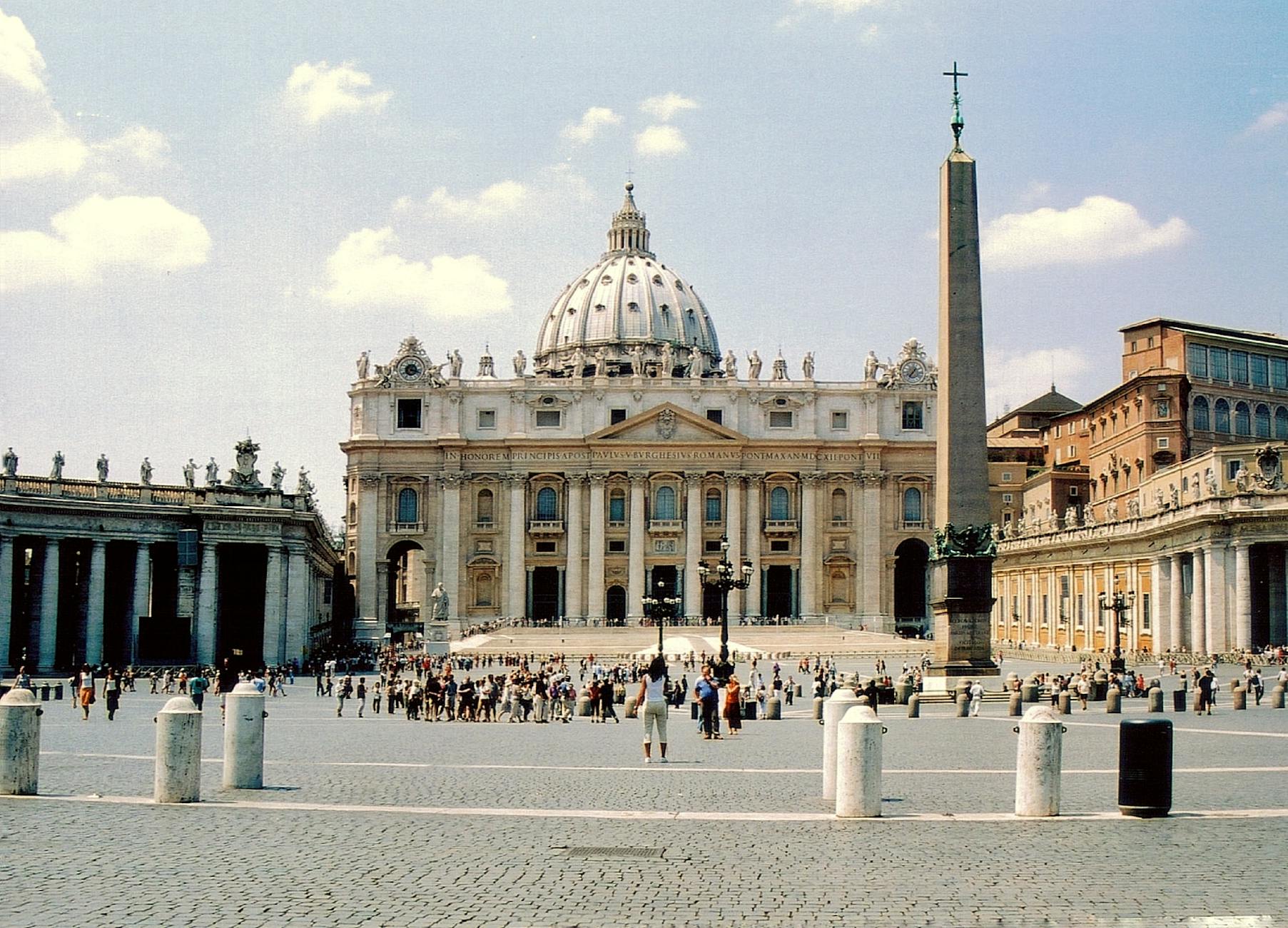
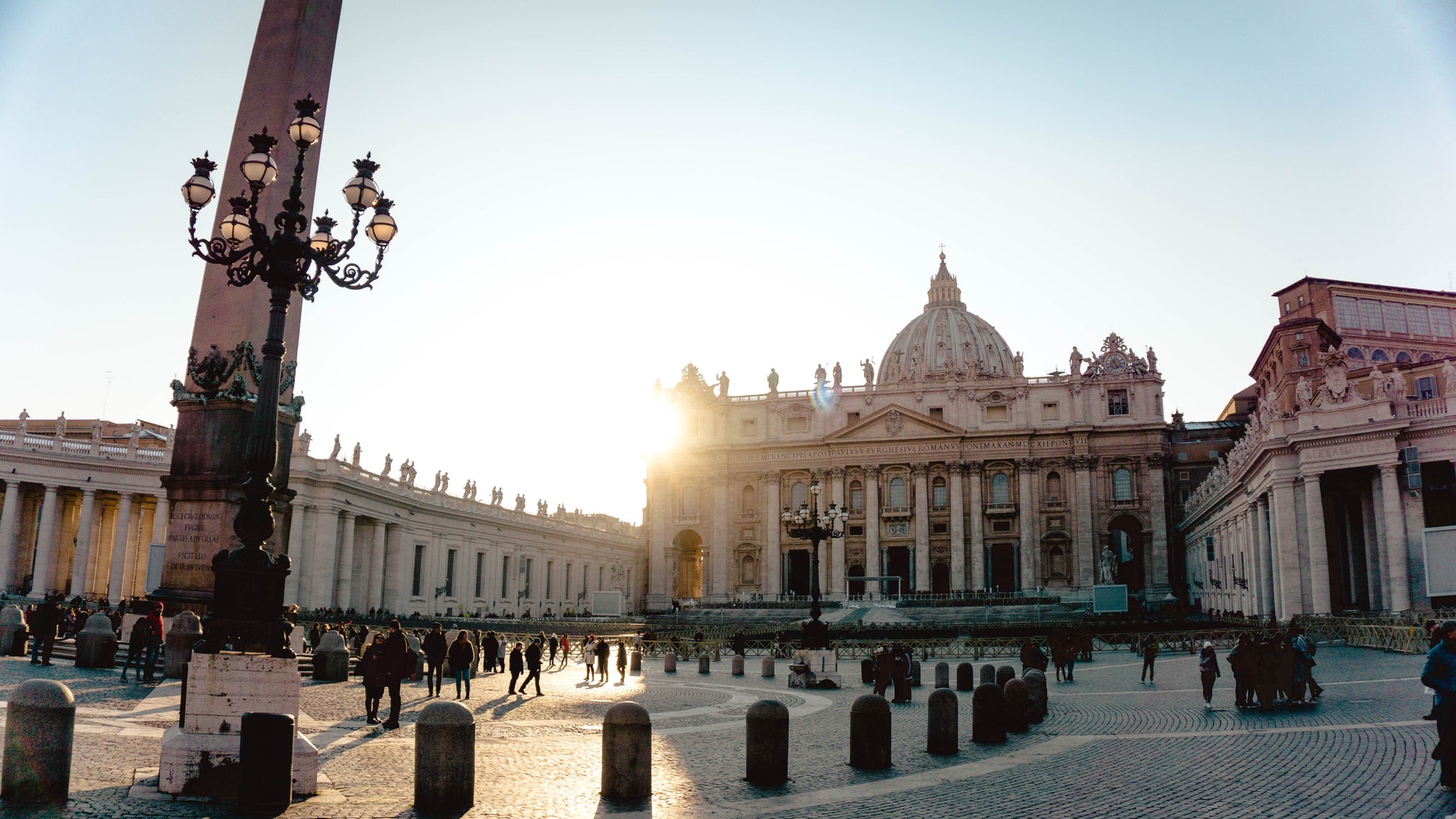
Roman Catholicism has taught indulgences since Medieval times, believing that they are a means by which people can receive remission for sins, and therefore reduce the time they would otherwise spend in purgatory. Leaving aside the fact that purgatory is another Roman concept which finds no warrant in the Bible,indulgences take on multifarious forms, from saying a prayer, to completing a sacred pilgrimage, to helping the poor. Indulgences regularly contained a monetary aspect, paying a financial sum to the church to gain an indulgence, and thus time exemption from purgatory. The stunning St Peter’s Basilica in Rome that tourists and pilgrims enjoy today, was built in the 16th Century by stripping Europe’s poor via these indulgences.
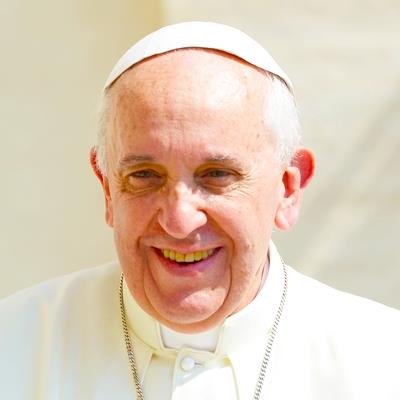
In case we make the mistake of thinking that indulgences were left behind 500 years ago, they remain in vogue, with the current Pope publicly encouraging the practice of indulgences on at least two occasions since taking the seat in the Vatican in 2013. More odd, the ABC reported this week that the Anglican Church in Yea, Victoria, has recently taken up the practice in order to raise money to repair their dilapidated building.
Revelations made in recent years have once again made it clear that the problems inside Roman Catholicism are deeply rooted. When Martin Luther exposed the abuses made in the 16th Century, he rightly called for repentance and sought reform in the Church. Once again, Rome has been caught abusing the vulnerable, this time, sexually abusing young children and then consistently covering up the crimes. There are voices from within and many from outside, calling for Rome to reform her ways, but it appears that so far there is little sign of change. The allegations made this week by Archbishop Carlo Maria Viganò suggest that change needs to extend to the very top. Indeed, should the Archbishop’s letter be proven accurate, this would confirm the abuse scandals to be the most profound faced by the Roman Church in centuries.
In criticising Rome, please don’t misunderstand, I am not suggesting that Protestant Churches automatically make the cut. Children have been abused inside Anglican, Baptist, and Pentecostal Churches, and even one example is one more than should ever be. There is, however, a vast difference between cases of abuse, and a culture of abuse. In addition, Churches that have once embraced the principles of the Reformation, need to reaffirm them with every new generation, lest we too lose our way. Europe, the United Kingdom, and Australia are littered with churches that once joyful upheld the 5 Solas, but today are little more than crumbling buildings sitting on prime real estate supporting the retirement funds of heterodox clergy.
The Apostle Paul insisted that we hold onto both doctrine and life, “Watch your life and doctrine closely. Persevere in them, because if you do, you will save both yourself and your hearers” (1 Timothy 4:16). The former shapes the latter, and the latter can easily distort the former when we preference personal morality above the ethics given by a good and holy God.
Is this Rome’s time for Reformation? Will Rome finally wake up and realise that they need to do more than move around the furniture or cover up the walls with a new coat of paint? 500 years ago, abusive practices were called out and thousands of clergy and churches across Europe heeded God’s gracious call to repent, but Rome ignored the opportunity. How will Rome respond this time?
At the heart of the 16th Century, abuses derived from a distorted view of God and his Gospel. With the rediscovery of God’s good news and with the people gaining access to the Scriptures in their own languages, unhelpful and gross evil practices were exposed and removed.
Reformation needs to come from within, and reformation requires the dismantling of any and all teachings, practices, and traditions that confuse, cloud or contradict the Gospel of Jesus Christ. This kind of foundational change will be confronting and difficult. Christians can pray that a movement of repentance will take over Rome. We can pray that both among Rome’s clergy and congregations there will be a rediscovery of the Gospel, the good news that the Apostle Paul first shared with the Romans almost 2000 years ago,
“All have sinned and fall short of the glory of God, and all are justified freely by his grace through the redemption that came by Christ Jesus.” (Romans 3:23-24)
“For we maintain that a person is justified by faith apart from the works of the law” (Romans 3:28)
Whoever follows me on twitter will win absolutely nothing, and to prove it, why not try it out today! My account is @MurrayJCampbell
In 2013, the Vatican announced that it would offer indulgences to those who followed Pope Francis on his twitter account. According to the CBS report, the Vatican Council was recognising how many young Catholics would be unable to attend the World Youth Conference in Brazil, and so Vatican kindly arranged for people to access the events on social media.
Other indulgences have since been offered by the Vatican in an attempt to quicken the faithfuls time in purgatory and fast track the route to heaven. In 2015, Pope Francis announced that a Jubilee year of mercy would be accompanied with special plenary indulgences.
Purgatory is not a concept that is found in nor taught by the Bible, but has its origins in Medieval Catholicism. It is believed that once a person dies, instead of direct entry into heaven, they spend a period of time in an intermediate realm known as purgatory. The purpose of this place is to purify sinners and to punish all those sins that have not been forgiven in this life. Anyone caught committing a mortal sin will find themselves going directly to hell, but others have opportunity to pay for their sins by a duration in purgatory, a timeframe which depends on the number of and seriousness of those sins.
The practice of indulgences, another teaching which is not taught in the Bible, slowly came into being from the 16th Century, and became a catalyst for the Reformation. Roman Catholicism teaches that indulgences are a means by which people can receive remission for sins, and therefore reduce the time they would otherwise spend in purgatory. Indulgences take on multifarious forms, from saying a prayer, to completing a sacred pilgrimage, to helping the poor and now, by following Pope Francis on twitter. Specifically, you needed to follow the live feed of the Youth Conference via his twitter account, and doing so will alter your personal account before God and aid you to enter heaven more quickly.
Speaking to the offer of indulgences via twitter, Patrick Hornbeck (chair of the department of Theology at the University of Fordham in New York) suggested,
“This Pope has done a remarkable job of demonstrating how well aware he is of the way in which his younger audience, his younger followers, follow things and I think it totally makes sense that young Catholics would be much more likely to participate via social networking and social media rather than through traditional ways”.
While Protestants may readily repudiate these dangerous and untrue doctrines on indulgences and purgatory, we have our own ways of slipping into similar pathways. Anytime we emphasise an experience or ritual or activity as a means of convening assurance before God or of acquiring God’s favour, we have turned our backs on the only gift that justifies and reconciles.
The Bible is clear, no works, whether religious in nature or not, can aid in any way a person’s standing before God.In contrast to depending on misleading religious works to release of jail time in a place that does not exist, the good news of Jesus Christ is this,
“all have sinned and fall short of the glory of God, and all are justified freely by his grace through the redemption that came by Christ Jesus.” (Romans 3:23-24)
“For we maintain that a person is justified by faith apart from the works of the law” (Romans 3:28)
“If, in fact, Abraham was justified by works, he had something to boast about—but not before God. What does Scripture say? “Abraham believed God, and it was credited to him as righteousness. Now to the one who works, wages are not credited as a gift but as an obligation. However, to the one who does not work but trusts God who justifies the ungodly, their faith is credited as righteousness. Therefore, since we have been justified through faith, we have peace with God through our Lord Jesus Christ.” (Romans 4:2-5)
The rise of Pope Francis has been taken as a positive sign by many Catholics, Protestants, and by many irreligious Westerners; his camaraderie with the common person is appealing, and his commentary on social issues at times suggests ground is slowly shifting inthe Vatican. Even I would agree with Pope Francis on some points of theology and ethics, and yet on this most crucial matter he is in error and by reinforcing the errors of Trent, he is directing millions of twitter followers not out of purgatory but into hell.
This isn’t rocket science, does anyone truly believe that saying a prayer or throwing a few dollars to a charity or listening to a Papal sermon can really wipe away years of transgressions and persuade God to change his posture toward us? What volume of ‘good deeds’ is suffice and of what duration should they be? This is chasing after the wind. There is no assurance and it requires the adherer to trust the words of priests who have invented these supposed means of grace. Instead, we ought to accept what God has spoken and what Jesus Christ has accomplished.
At a gathering of the Victorian Chapter of the Gospel Coalition today, Peter Jensen reminded those present that“faith is the instrumental means of salvation… faith can never be boasted of because faith always points to its object…Faith is the antithesis of all good works…Don’t turn faith into a work.”
So long as ecclesial authorities play games with the grace of God in Christ Jesus (whatever their denomination affiliation), and so deny people the sweetness and joy of knowing peace with God, the principle of semper reformanda remains a pressing agenda. My encouragement to my Catholic friends is, bypass this nonsense of indulgences and return to the source, read the Bible for yourself and see what not only the Reformers discovered in the 16th Century but what Christians have understood and believed since the very beginnings of the Church,
“For it is by grace you have been saved, through faith—and this is not from yourselves, it is the gift of God— not by works, so that no one can boast” (Ephesians 2:8-9).

 MurrayCampbell.net