There are plenty of grudge matches fought out on football fields, cricket pitches, and tennis courts. There are teams we love to hate and athletes who infuriate us. To win, athletes and spectators alike need a certain intensity and killer instinct. However, once the final ball is bowled and when the siren blasts, you shake hands, give respect, and even renew friendship.
Last night Channel 9 televised ‘The Longest Feud: Ian Chappell v Ian Botham“.
Ian Chappell and Ian Botham are two of cricket’s greats. As a young boy, I remember spending summer hours watching cricket on television. I’m old enough to have seen both of these cricket legends play. In 1977 (I’m not so old that I remember this incident!) At the Hilton Hotel in Melbourne, something happened which spurned a dislike between these men that continues even today.
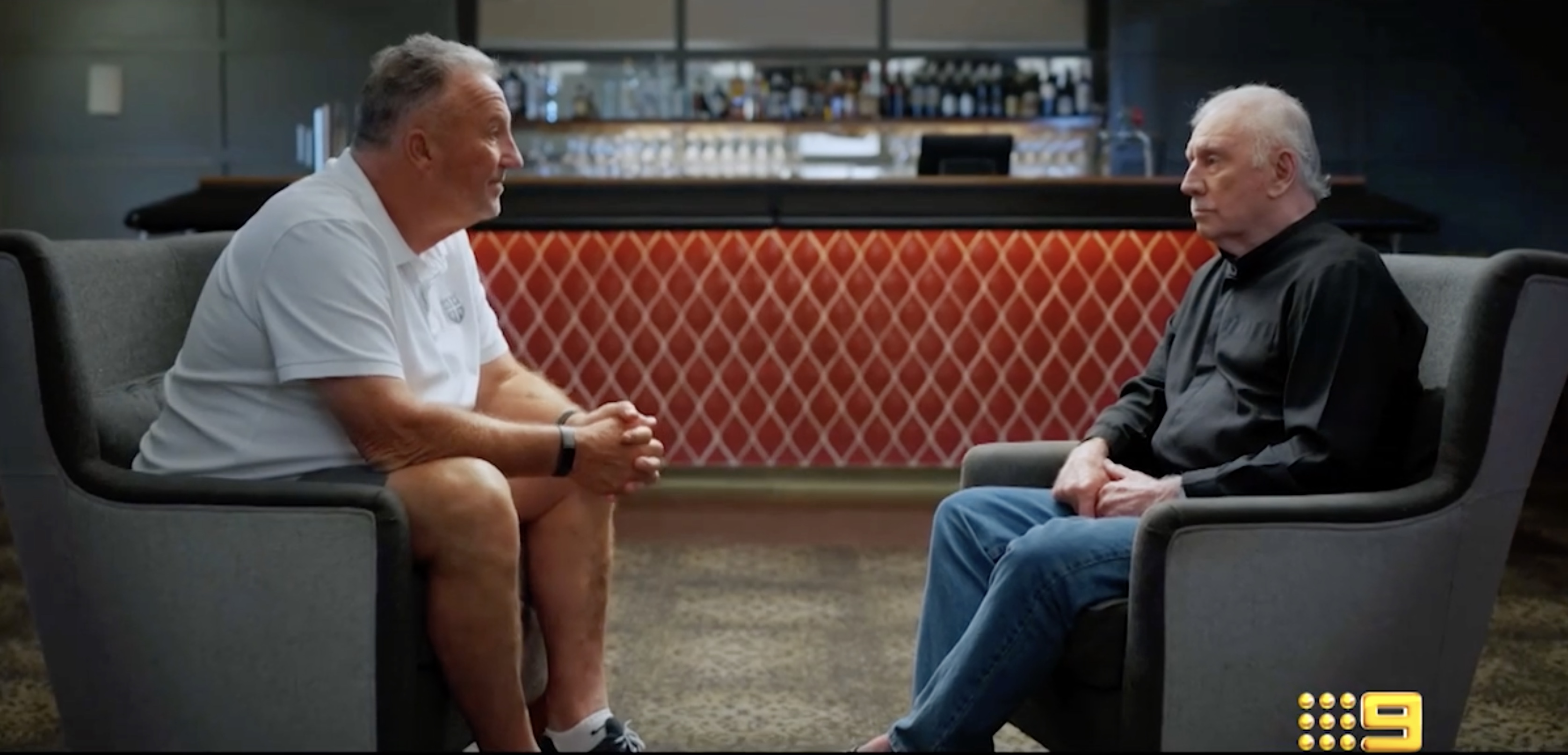
The original incident is very much a ‘he said’ and he said’ scenario, and I suspect we’ll never know the truth unless one Chappell or Botham fesses up. I’m in the same boat as everyone else. We weren’t present when the alleged ground zero event took place which has led to this nearly 50-year feud. As the documentary traced their history and interviewed them today, the animosity between Chappell and Botham sounds and feel quite real. I, and presumably other viewers, anticipated that the documentary is one of those ‘bad to good’ stories, where hating parties find reconciliation. The program climaxed with the two men meeting in person to discuss their grievances. Everything was set for a manly heart-to-heart and where some semblance of common ground is found. That was not to be the case.
When pushed to say something positive about the other man, Ian Botham managed to speak well of Chappell cricketing and captaincy prowess, whereas Chappell could offer nothing other than further insult. There was no agreement, no acknowledgement of wrongdoing and the verbal sparring was as heated as ever.
One friend suggested, “Chappell is awful. Implacably so. From the earliest days. Botham is just laddish.” The summary resonates, although none of us really knows. While I suspect many viewers were left shaking their heads and thinking, seriously, makeup, shake hands and share a beer, in the real world the Chappell and Botham story isn’t so unusual. Fueds and grudges are about as ancient as history itself.
Genesis tells two stories of persons holding a grudge.
There is Esau who held a grudge against his brother Jacob for wronging him.
Later there is Joseph whose brothers sold him into slavery. Years later, when their father died, they thought that their younger brother would take advantage of the moment to, ‘What if Joseph holds a grudge against us and pays us back for all the wrongs we did to him?”
The grudge isn’t a friend. It’s a form of anger (that may or may not have justified causation) that evolves and twists, creating excessive and unjust feelings and wanted responses. The grudge doesn’t want, ‘an eye for an eye’, but a head for an eyelash or foot for a toenail. The grudge is a form of bitterness whose taste sticks and refuses to let us go.
It takes a man to admit fault and to ask for forgiveness. It takes a man to offer forgiveness. Time can sometimes soften hearts and create space for healing and reconciliation. It can also the true that time calcifies the heart and makes us unwilling to budge and extend a hand of friendship. There are some offences so impactful and hurtful that reconciliation isn’t possible and without repentance, forgiveness isn’t possible. There are other pains caused by harmful words and actions that may dissipate with time and we can overlook them. Not every offence is a sin. Some sins against us are forgiven but the relationship is so broken that normalised relations can’t be rebuilt, although there is civility and an aspect of peace now lived.
This is one of the staggering truths about Jesus; we caused him offence beyond measure, such that an eternity of hell is the fitting end. And yet, in insurmountable love and mercy, he grabbed all our offences and bore our punishment on the cross. Jesus was prepared to die for his enemies so that we might become his friends. That’s the kind of story ending we long to see. The world needs a super saviour with such integrity that he doesn’t compromise on righteousness and yet is able to restore us to peace.
Of course, this requires humility on our behalf. Not a weak or insipid capitulation to social pressure, but a strength that owns our own sins and says yes, to that blood-soaked cross where Divine mercy is given.
The Botham vs Chappell feud wasn’t good television. It was sad. The rawness of these men’s pride is all too common. If there’s any message coming from the program it is this, don’t carry a grudge to the grave. Seek peace while we may. This may be something to act upon in the immediate, and for other circumstances, this may take years. Yes, because we live in a world that’s screwed up, we may not find that place where forgiveness and peace are renewed; where and when we can’t, leave it with God.
Esau’s grudge against Jacob continued, and the schism continues to this day.
In the case of Joseph’s brothers, they asked for forgiveness. Joseph listened to their words and wept. He then said,
“Don’t be afraid. Am I in the place of God? You intended to harm me, but God intended it for good to accomplish what is now being done, the saving of many lives. So then, don’t be afraid. I will provide for you and your children.” And he reassured them and spoke kindly to them.”
How much more has Jesus offered this message to us.
 MurrayCampbell.net